Split Image Triptychs: Seeing More in Divided Images

The First Triptychs:
From three separate exposures
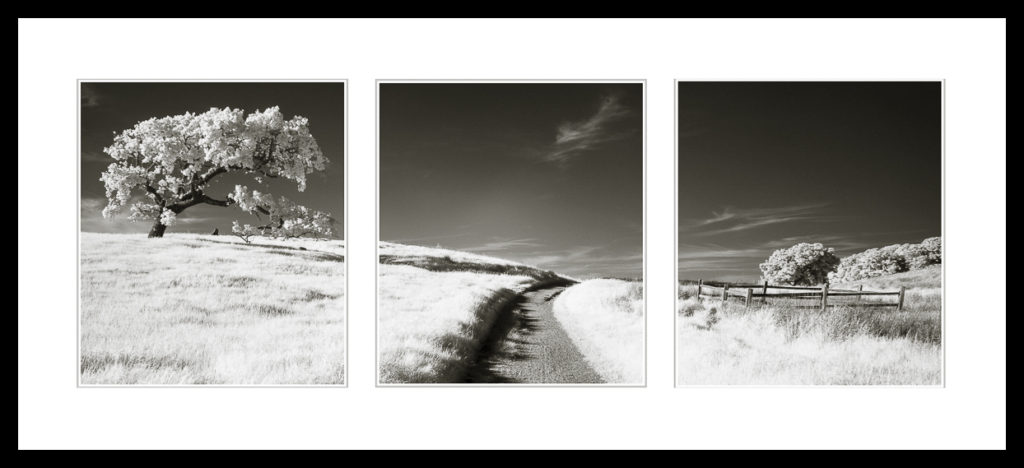
My first and best-known triptych, the Bolinas Ridge Triptych, was created from three separate film exposures, shot one after another, in order to display a more panoramic view than I was able to make in a single exposure. I chose my tripod location carefully so I would have inviting details in each of the three frames as well as a captivating scene overall from the three combined images. The individual frames must be pleasing to view in themselves, but the combination becomes something other–more than the summation of the parts.
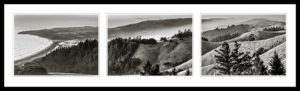
I continued looking for three-part synergy in the landscape… for potential scenes that could be strung together in this manner. I added several more of these panoramic-style triptychs to my catalog during this early period of work. It was a while before it occurred to me that another kind of a triptych, the divided, single-image triptych could also be worthwhile to explore.

The First Split-Image Triptych
An art collector in New York contacted me. She wanted a more rectilinear triptych for a particular space. My panoramic triptychs were not going to work. I knew that I couldn’t create something on demand as the beauty of the light and the moment cannot be readily invoked in my kind of photography. I wondered if I had an existing single image, that could be divided nicely in three vertical slices–that would exhibit the hallmarks of a beautiful triptych, ie. each panel would contain fascinating compositional elements and when seen in total would become much more than the three parts.

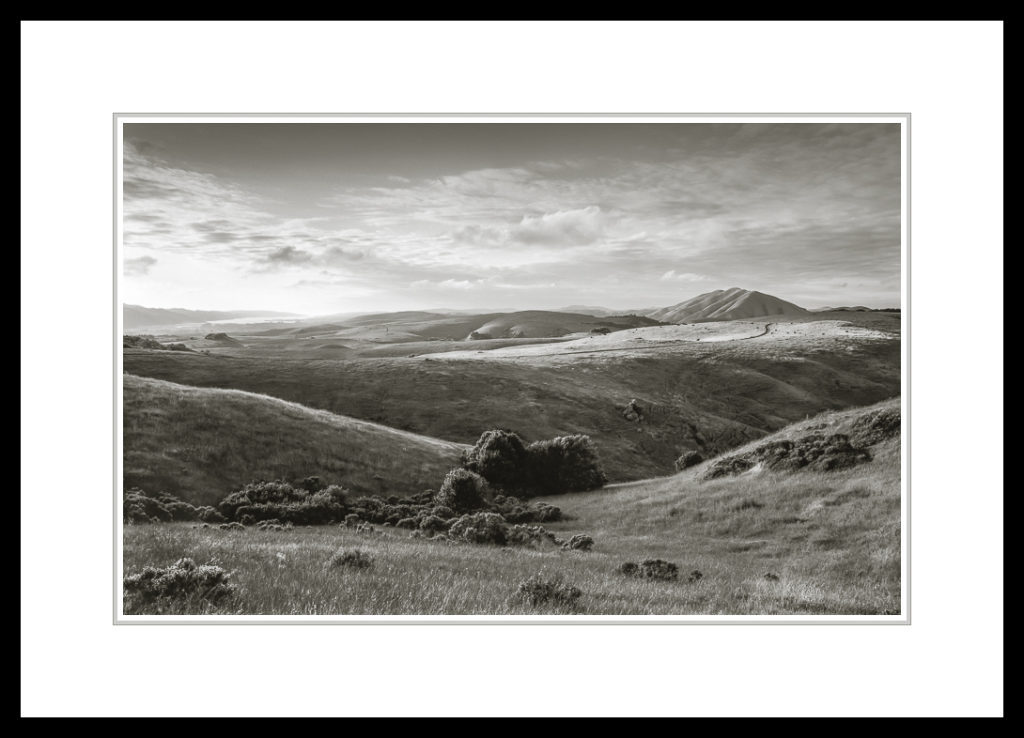
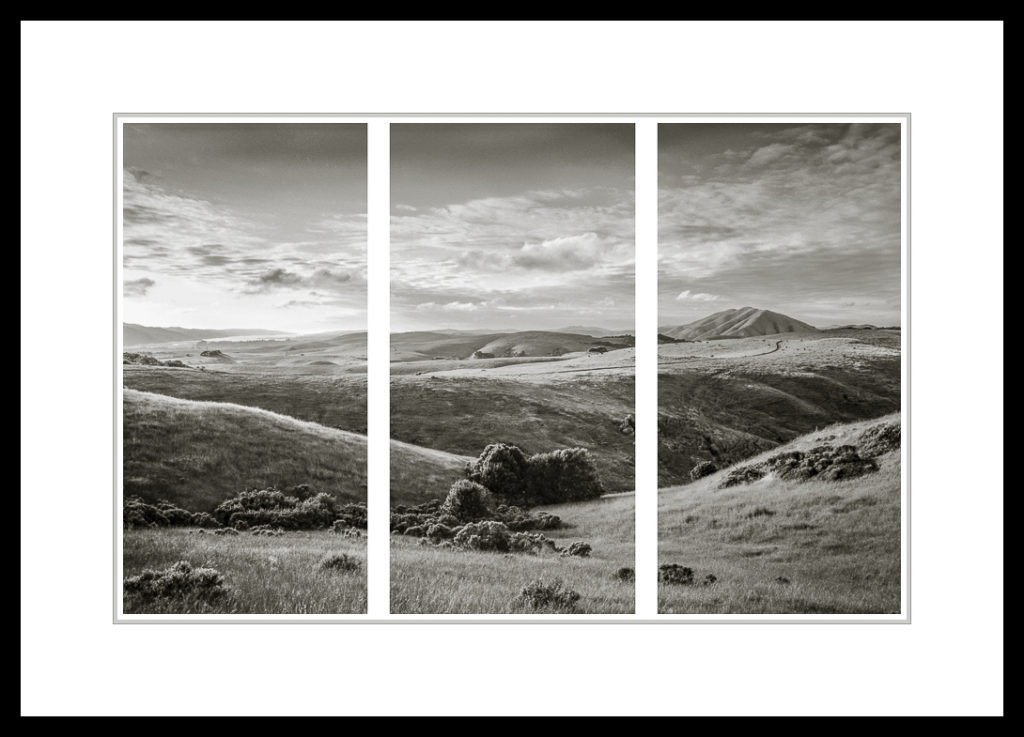
I began the process of dividing candidate images into three parts until I found one we both liked. The single image known as Tomales Bay and Black Mountain became the Olema Hill Triptych. It’s named after the hill I stood on when making the original exposure. I noticed that when the image was divided, my eye (and presumably yours) is drawn to the individual features of the overall composition. We simply pay more attention to them. Notice the Inverness Ridge and Tomales Bay in the left panel, a foreground bush and rolling clouds in the middle, and the lovely folds of Black Mountain in the right section. Take a moment to look– first at the single image and then the triptych to see how this works.
After creating this initial split-image triptych, I began searching my files for other single images to divide. I discovered that Tamalpais Ridges & Fog works wonderfully and the triptych derived from it has become widely collected. Examples follow:
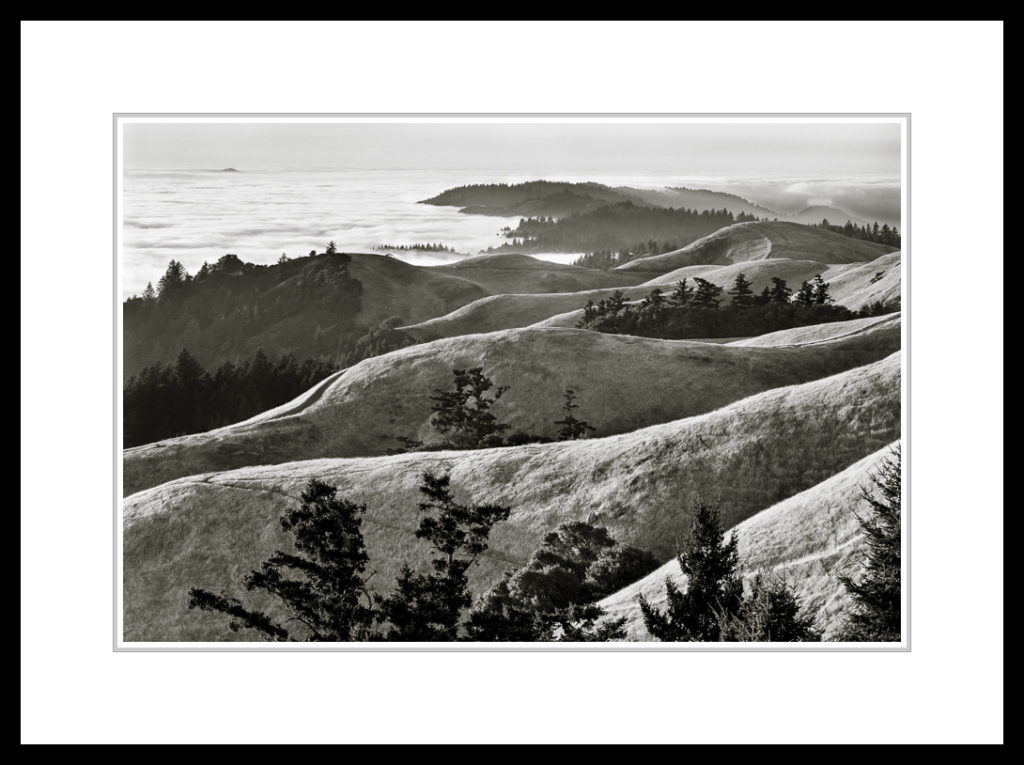
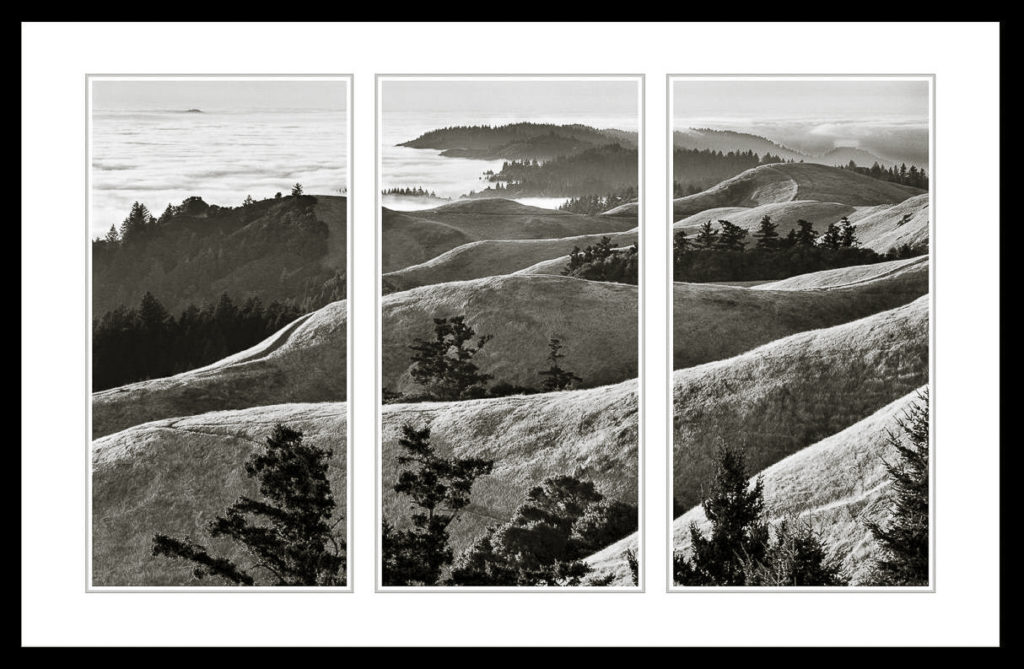
It turns out that the best examples of the divided image triptych tend to come from my most collected single images. It’s as though the seeds of harmonious division lie dormant in some of the strongest individual compositions. The split-image triptych also lends itself well to larger framed artwork presentations.

A few more examples,  including a brand new triptych of my finest seascape at McClures Beach, are posted below for your comparison and enjoyment. The single image from which the triptych is derived is followed by its split-image version.
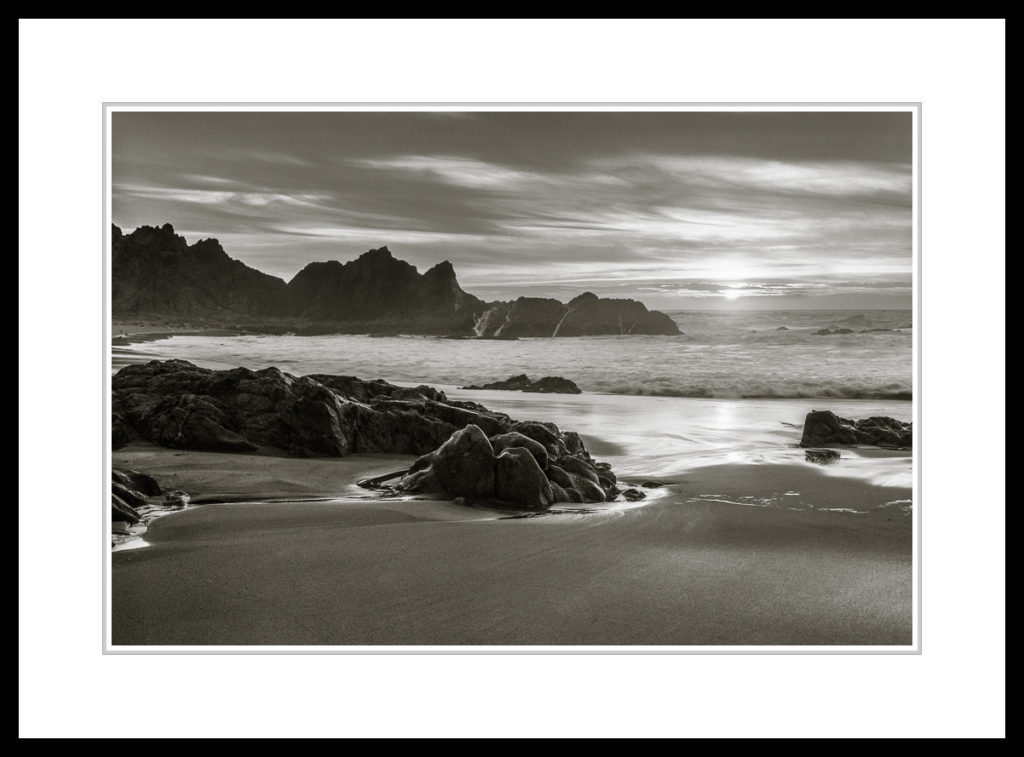
 

Roads

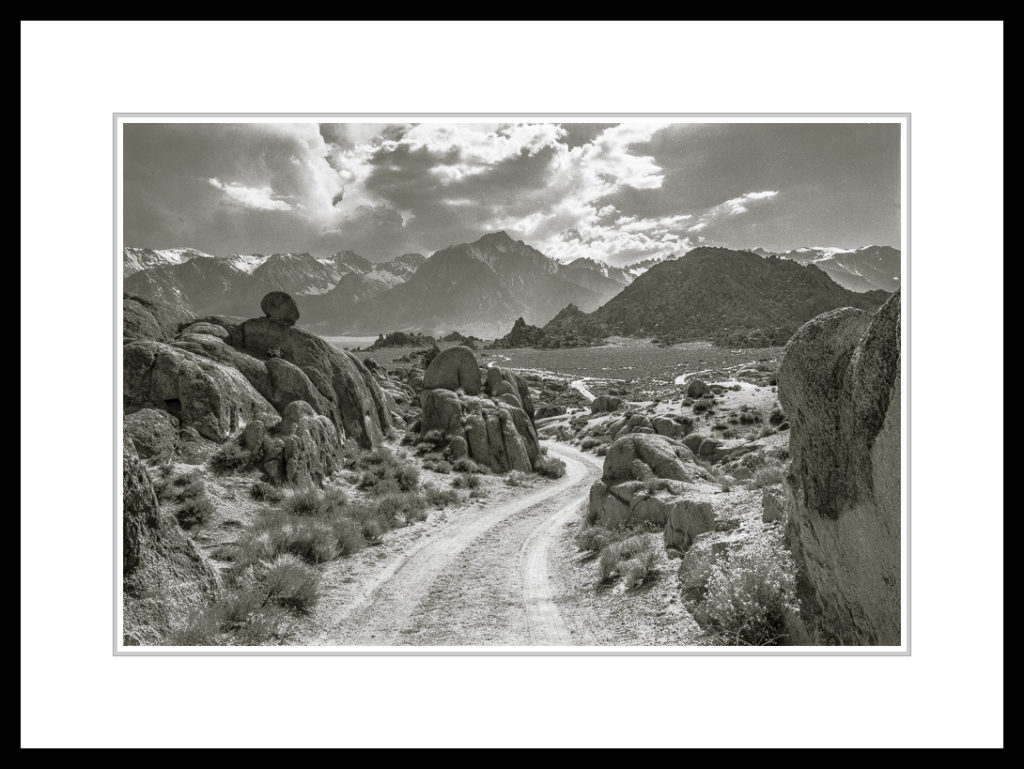
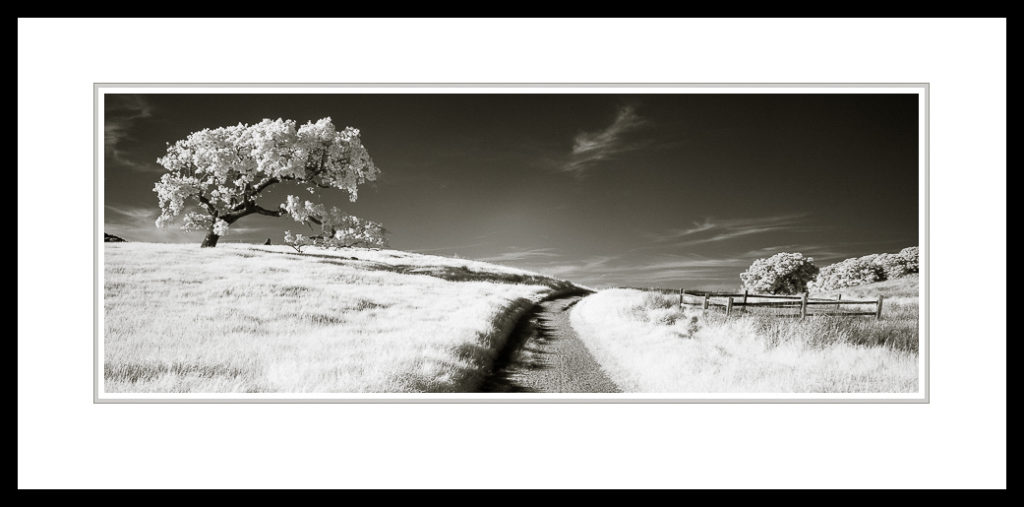
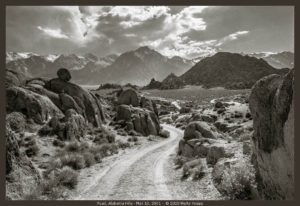
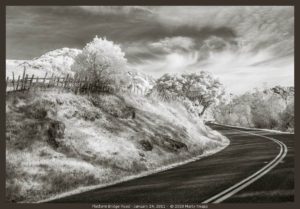
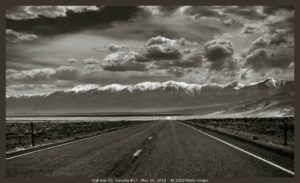
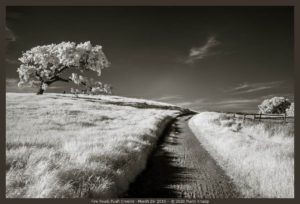
I’d been thinking about how the inclusion of a road in a photograph affects the way I felt and what I thought about when I viewed the image. So, on a recent evening, I searched my catalog for photographs in which a road was a prominent feature of the composition. I found and created a new collection of a dozen examples. As I examined them more closely I discovered that they fell into two broad categories: one in which the road drew my eye into a clearly seen destination, the other where the road disappeared into parts unknown. 

While making landscape photographs I look for a place to set my camera in order to represent an evocative view. I want my print to give the viewer a feeling that they are standing, virtually, where I had stood to make the photograph. I call this “giving the viewer a place to stand.” When a road is also included in the composition, the viewer is not only offered a place to stand, but he/she is invited to enter deeper into the image.

As I continued looking at my road photographs I began to explore what I was feeling when I made these two kinds of images. In the case of the road leading to a clearly seen destination, the feeling was obvious: the road had drawn me to a view that exuded a sense of heightened beauty or grandeur. It was as if I had arrived at a captivating place and could now stop and gaze at the view. I felt happy…my spirt soared. The second type, where the road disappeared around a bend or over a hill, made me wonder what was beyond, what awaited me. I felt a sense of curiosity, mystery or longing. In both cases the inclusion of a road in the image invited me in–stimulating new feelings and thoughts. Following are a couple more examples:


Making Photographs: The Story of Morning Shadows

The Making of a Photograph
It has been my experience that on the way to the making of my best photographs something unusual happens. Sometimes it is a fortuitous change in atmosphere or light. Other times it is may be  a “letting go” of preconceived expectations that leads to an opportunity that otherwise would be missed. And, often it is simply about getting out of the way of oneself. Luck and serendipity may play a role at times. Sensing when to hold ’em or when to fold ’em can be the key to finding the moment and the place, the when and where a fine photograph beckons.

In late October, 2013, I travelled with a couple of photographer friends to the Mesquite Flat Dunes at the northern area of Death Valley National Park. We went there planning to explore and photograph the exquisite shapes and lines at this fabulous place. Inspired by other photographers who had come before us, we hoped to create some of our own original compositions.

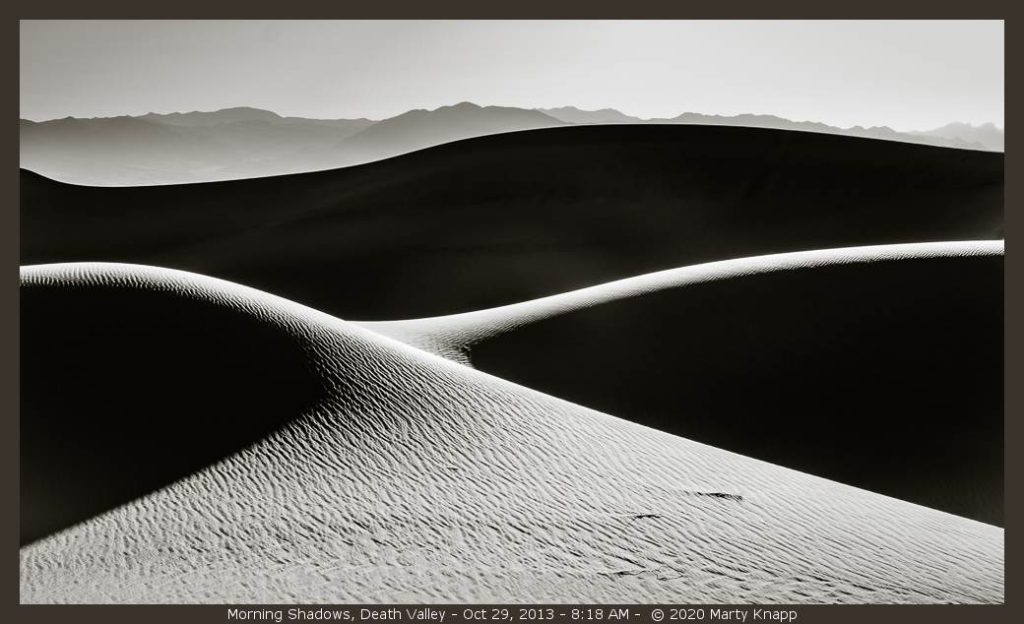
Oct 29, 2013 – 8:18 AM

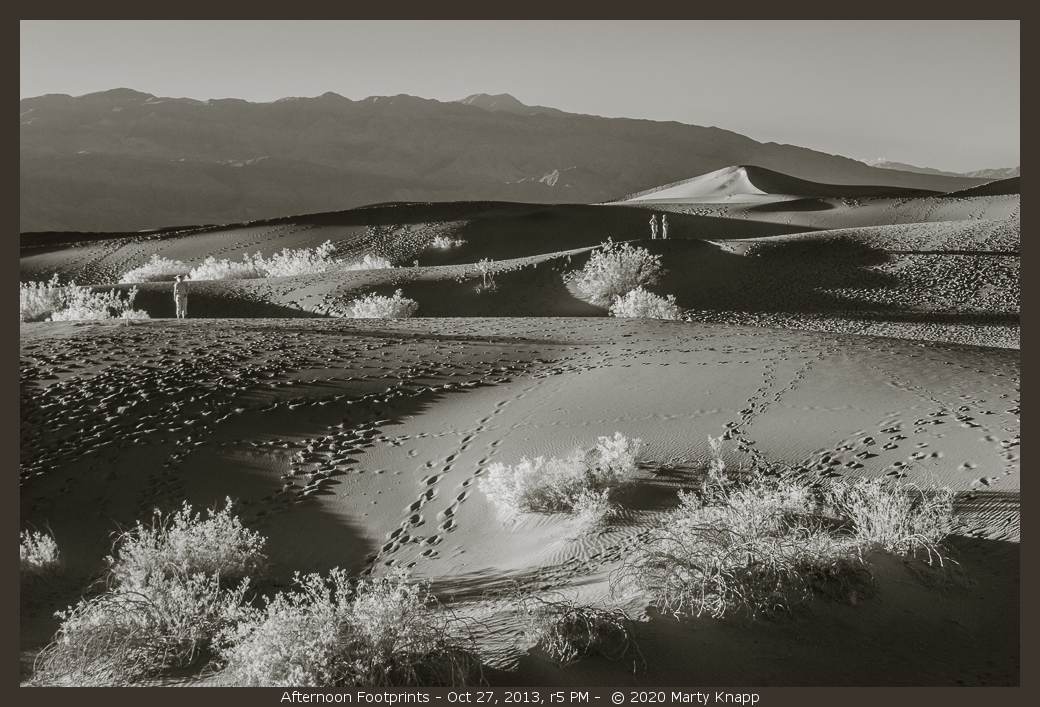
Too Many Footprints
Sunday Afternoon, Oct 27, 2013
Our plan was to photograph in the early mornings during our visit. To plan for it we visited the dunes the afternoon before to check out the vistas and possible worthy locations for compositions. It was discouraging to see all the footprints, for the dunes had been trampled by hordes of visitors during the weekend. It was late Sunday afternoon, and the dunes looked like an invading army had just departed! We resolved to change our plans for Monday morning and the next sunrise we headed out instead to Badwater to photograph there. Even so, we weren’t yet ready to surrender to a future morning visit to the dunes at Mesquite Flat.

Oct 27, 2013, 5 PM

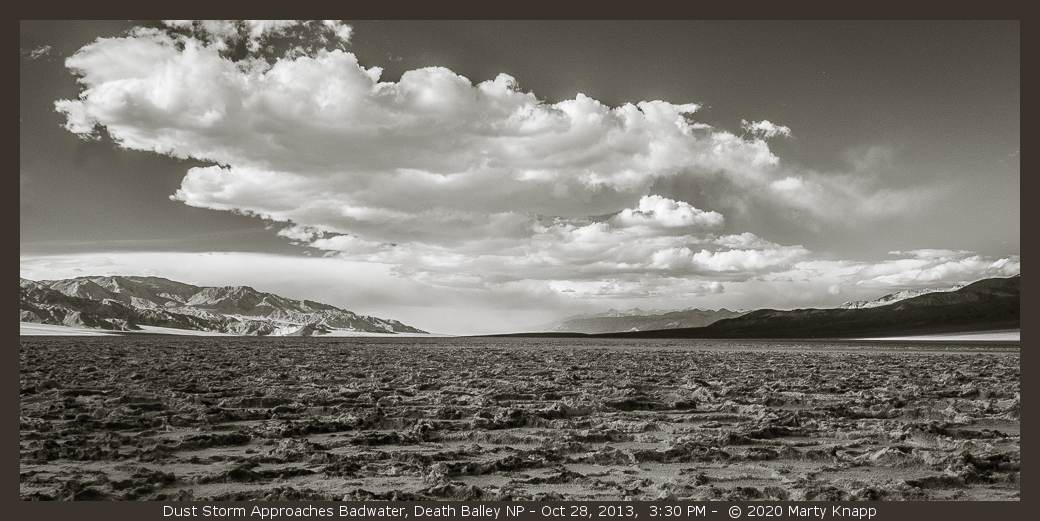
A Change in the Weather at Badwater
Monday, Oct 28, 2013
The sky had changed overnight and to the north we saw turbulent weather approaching. As we worked along the crusty salt patterns at Badwater you could feel the atmospheric pressure changing. As the afternoon came, the wind really picked up. The long views to the north, from where we came, were quickly becoming obscured by rising dust. We packed our gear and began the long drive back toward the dunes. Perhaps an omen– on the way back, we witnessed an incredible sunset created by the dust stirred up by the wind.

Oct 28, 2013, 3:30 PM

Oct 28, 2013 4 PM

We were curious what the dunes would look like during this wind event. As we approached the place where we thought we’d see them, we couldn’t find them! The wind was really howling and sand was blowing across the street, buffeting our jeep. When we got within a mile or two, we could barely make out the major shapes of the Mesquite Flat Dunes. No one said anything, but I could feel the spirit sagging in our little group. 

At dinner that evening, our conversation was low-key. We had only one more morning remaining at Death Valley before we would have to head to our next destination. Outside, the wind was really blowing fiercely. Things were not looking good. There was some talk of sleeping in, foregoing our next morning’s photo walk in the dunes, if the wind was still howling at sunrise. We would wait and make that call about an hour before sunrise. Everyone would awaken early and we’d discuss it then. As I walked from the cafe back to my motorhome, the wind had grown stronger. I cupped my hand over my brow to protect my eyes from the sand in the air.

I retired early and set my alarm for 5 AM so I could check the conditions outside very early the next morning. I climbed up to the loft and tried to surrender to sleep. The RV was rocking back and forth, sideways on its wheels as it was blasted by the windstorm outside. The wind whistled loudly. Finally, letting go of my discouragement about our prospects, I fell into a deep sleep.

Unexpected Delights!
Early Tuesday Morning, October 29, 2013
The alarm jarred me from my dreams. As I sat up in bed I was surprised at how quiet the world was. I went below, opened the door. The stars shone out of the inky black sky and not a breath of wind! I wondered what the dunes would look like on this still morning. Sunrise was not until about 7 am, but we still had a short drive and a longer walk ahead of us to arrive at the best place, deep into the most magnificent area of the dunes.

My friends and I gathered quickly in the dawn and drove out to the dunes. A spirit of excited expectation permeated the car. In the gathering dawn light we found the pull out we had chosen earlier and then made haste to our location. We planned to get there and set up before the sunlight spilled into the scene.

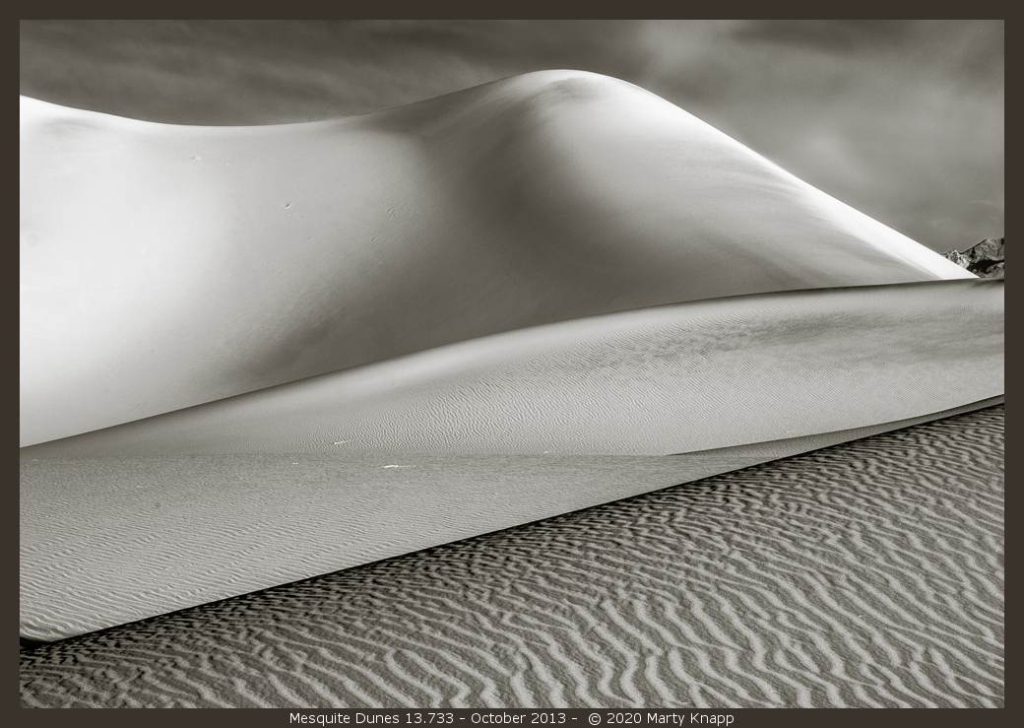
As we approached our favorite area, where the dunes began to tower like softened mountain ranges, we were greeted by a view that took my breath away. The evening’s windstorm and swept the dunes clean of all footprints. The sun started spilling into the beautiful curves, casting shadows and raising highlights until it was difficult to decide which way to photograph first! The wind that seemed an enemy the night before had become an unexpected and heroic partner to us at morning. In a reverie, I worked on several compositions. Such beauty of form defined by light! My favorite is at the top of this post. Here is another one that expresses what I saw during the first light on that day.

October 29, 2013