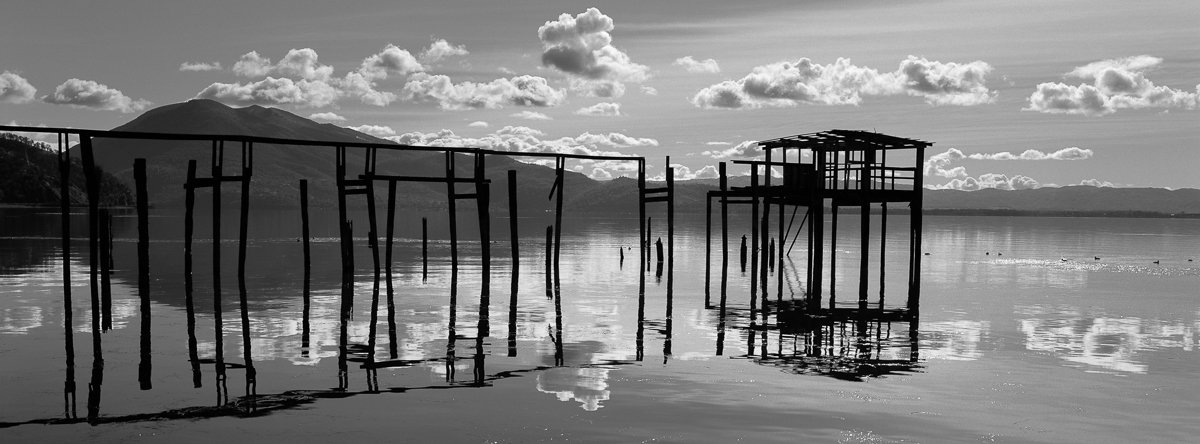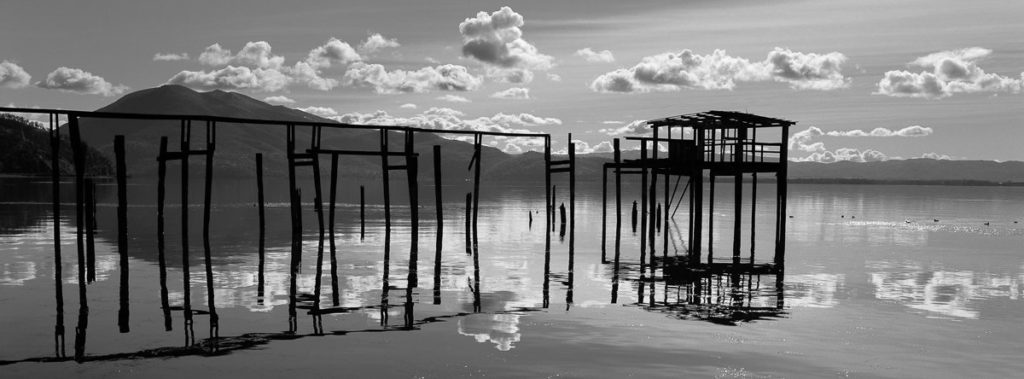
Reflections, Clear Lake, California, New Year’s Day, 2001
What shooting film taught me: Think More and Shoot Less
There are many reasons I love using digital technology to make my photographs. The immediacy of the capture process invigorates my creativity and the quality of the printed image exceeds my expectations. Digital photography has a number of clear advantages over traditional film/darkroom technology. However, one digital advantage was so attractive, that, for a time, it seduced me away from the way I create my best photographs.
Some things I love about digital photography:
• Instant image capture provides powerful feedback loop for confirmation and/or adjustment.
• Development of the negative and print in safe fresh air instead of hazardous, smelly chemicals.
• Prints are superior in visual quality to previous darkroom prints.
Here’s the feature that got me, temporarily derailing me from my creative rhythm:
• Tiny memory cards that hold a seemingly inexhaustible number of captured images.
A Great Feature?
Wow! Why wouldn’t I want an endless supply of film, taking up virtually no space and weighing next to nothing? Wouldn’t you? Maybe if you never shot film, this potential wouldn’t seem so incredible. But, coming from where I was, this was like winning the lottery, or finding a pot of gold. When I wired with film I’d keep track of how many exposures I had left, making sure I’d save several frames for the magic hour – the time when the good light might come. My film was a precious commodity and as such was allotted out carefully. But, now, through the miracle of digital I could make as many photos as I wanted… any time I wished. The days of counting exposures and rationing film was over. Boy, was I seduced!
What Went Wrong?
I was wealthy beyond my imagination. Or, was I….? At first, I shot like a madman. I was the crazy guy in the desert, who when finding a pool of water from which to drink, starts scooping it up and pouring it over his head. I had it all..everything but the yippee! I shot wildly for the first few times, happy to never run out of my digital film. I was sure that I was getting lots of great photos, as I jumped from one great scene to the next. Each evening, though, my spirits sank as I reviewed the results on my laptop screen. I spent a long time sorting through the hundreds of images searching for winners. Usually, there were none. Something was missing, something that volumes of shooting wasn’t providing. I wondered what?
A Lesson from the Past
As I thought about what went wrong, I remembered how I had worked when using film. Things had changed. Now, in my current excitement to make lots of images (because I could!), I was going so fast that I had lost my focus, my attentiveness to my subject, the landscape. Previously, when shooting film, its scarcity and made it precious – it slowed me down. The film attained value, and as I conserved it I became more conscious of how I went about making an exposure. My tempo in the field, seemingly driven by the scarcity of the film, also had a positive side-effect on my awareness. I had developed a heightened consciousness and care about every photograph I made.
Less Really is More
Since this realization, I’ve changed the way I work, returning closer to the method I used with film. Just because I can make tons of exposures, doesn’t mean I should. I now work much the same way I used to work with film. I slow down, examine my subject from every angle, consider if there is even a photograph worth trying for. In short, I think more and shoot less. Because of this, I now find a higher percentage of my compositions have value. They express a deeper way of seeing and are imbued with the thoughtfulness that occurs when enough time is allotted.
Getting Connected
There is another benefit to a practice of careful, thoughtful shooting. By making fewer exposures, you will be more connected to the ones you do make. The increased attention you give to your photos will bring you to a deeper connection with them and you’ll better understand both your successes and failures. This feedback will provide you with accelerated improvement in your expressive work.
Precious Time
One of the greatest wealths you will obtain is time. The hidden cost of mindless shooting is the loss of your precious time… time lost not only while you were making all those poorly considered images, but again, later, as you sort through and then trash the hundreds of bad photos you made. Your time is the only wealth you’ll never recover when it’s gone. I hope you’ll consider that the next time you go out photographing. Think more, shoot less and be glad you did!
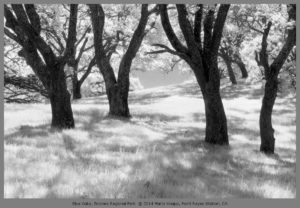
Blue Oaks, Briones Regional Park, California
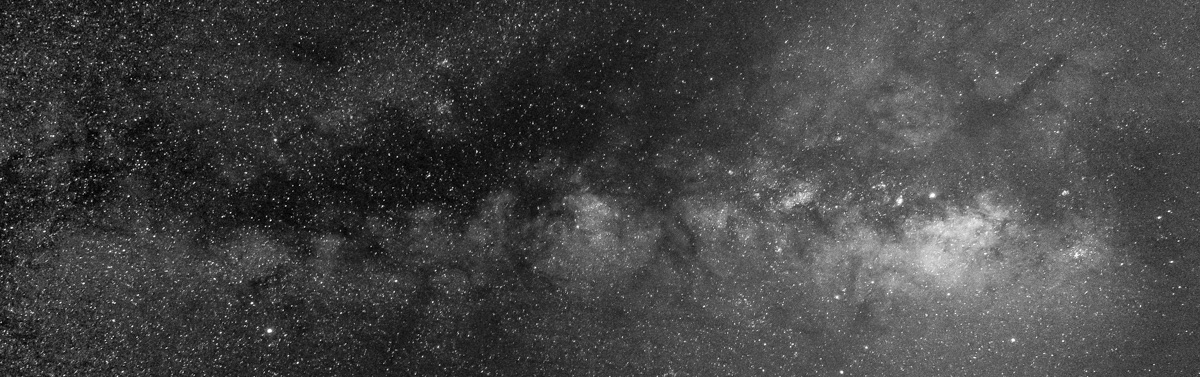
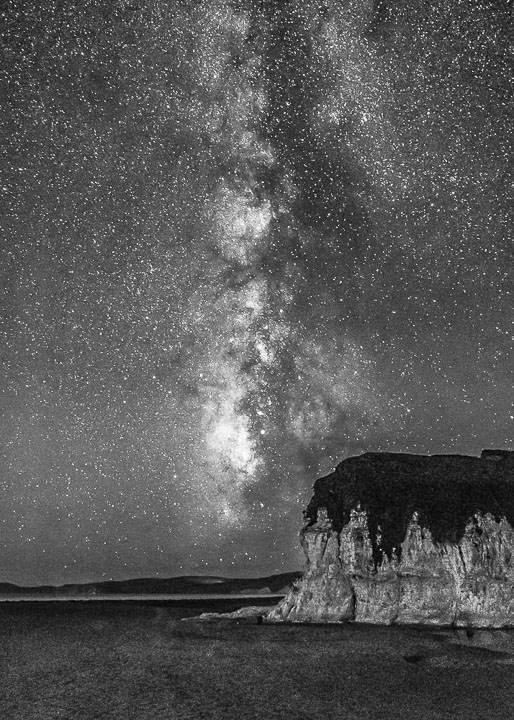 I’ve only just recently begun to photograph the starry night sky. On a trip to the eastern Sierras two years ago, I began exploring the heavens above places such as Joshua Tree or the Alabama Hills. However, until last week, the persistent coastal fog near my home at Point Reyes had kept me from attempting any star photography here.